November 3, 2026
A garage door plays an important role in home security, energy efficiency, and everyday convenience. Because it operates regularly and faces changing weather conditions, its components can gradually wear down. Recognizing when repairs are no longer practical can help homeowners maintain a safe, functional, and attractive property while avoiding repeated service issues.
For homeowners in Idaho, seasonal temperature changes, winter precipitation, and summer heat can place additional demands on garage doors. A door that struggles to open, allows outside air inside, or shows visible deterioration may need more than routine maintenance. Replacing an aging system can improve reliability, enhance curb appeal, and provide features better suited to the home's needs.
According to This Old House, garage doors that exceed 20 years of age or experience failures involving multiple components are often worth replacing. Modern models can offer improved insulation, updated safety features, and more dependable operation, making replacement an option worth considering when an older system becomes increasingly difficult to maintain.
Recognizing Frequent Mechanical Problems
Recurring mechanical problems are among the clearest signs that a garage door may need replacement. Occasional maintenance issues can affect many systems, but repeated failures may indicate that the door is approaching the end of its useful life.
Homeowners may notice that the door moves unevenly, stops before reaching the ground, reverses unexpectedly, or struggles to open consistently. These symptoms can involve the opener, springs, rollers, tracks, or other hardware. Because different problems can produce similar symptoms, a professional inspection can help determine whether a repairable component or a more extensive system issue is responsible.
When repairs become increasingly frequent, the overall cost and inconvenience deserve consideration. Replacing an aging door may be more practical than repeatedly addressing separate problems. The decision depends on the door's condition, the extent of the damage, replacement-part availability, and the cost of restoring dependable operation.
New garage doors can address persistent performance concerns while updating the garage's appearance and functionality. A qualified installer can evaluate the existing system and recommend options that align with the property's requirements and the homeowner's budget.
Identifying Visible Signs of Damage
A garage door's exterior can reveal important clues about its condition. Dents, cracks, peeling finishes, rust, and warped sections may indicate damage or deterioration. Although some cosmetic imperfections are minor, structural damage can affect how safely and evenly the door operates.
Wooden doors may develop rot, swelling, or splitting after repeated exposure to moisture. Steel doors can experience corrosion when protective finishes deteriorate. Other materials can also show wear from weather exposure, impacts, and age. The severity of the damage and the door's construction help determine whether repairs remain worthwhile.
Homeowners should pay particular attention to panels that appear bent, separated, or misaligned. Because garage doors are heavy and operate under tension, damaged sections may affect the balance of the entire system. Professional evaluation is important when damage occurs near moving components or the door no longer travels smoothly.
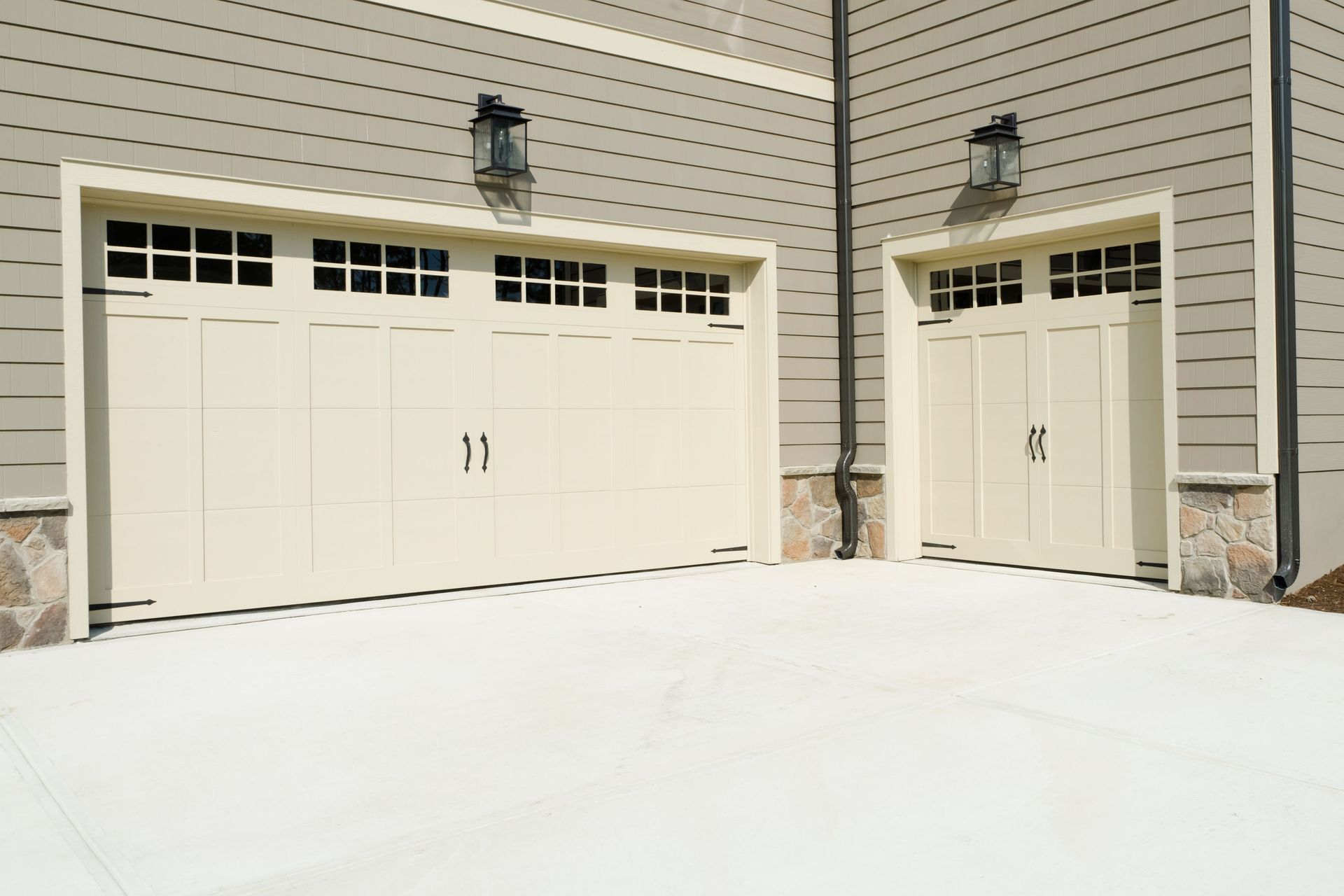
Replacing a visibly deteriorated door can improve curb appeal while addressing concerns about its condition. Available styles include different materials, colors, finishes, and panel designs, making it possible to complement the home's exterior. For homeowners planning other exterior improvements, a replacement can contribute to a more coordinated appearance.
Evaluating Declining Energy Efficiency
A garage door can influence the temperature of the garage and, depending on the home's layout, the comfort of adjacent living spaces. Older doors with limited insulation, damaged weatherstripping, or gaps around their edges may allow outdoor air to enter more easily. These weaknesses can become particularly noticeable during Idaho's cold winters and warm summers.
Homeowners may notice drafts near the garage entrance, temperature fluctuations inside an attached garage, or difficulty maintaining comfortable conditions in rooms beside or above the garage. These issues can have several causes, so an assessment should consider the door, surrounding seals, and building envelope.
Insulation is an important consideration when selecting a replacement. Insulated models can reduce heat transfer through the door compared with otherwise similar, less-insulated options. Actual performance depends on the door's construction, insulation rating, installation quality, and surrounding conditions.
New garage doors with appropriate insulation and properly fitted weather seals may help create a more consistent garage environment. This can be particularly valuable for households that use the garage for hobbies, storage, laundry, or access to frequently occupied areas.
Homeowners should consider how the space is used before choosing a replacement. An attached garage with living areas nearby may benefit from different features than a detached structure used primarily for vehicle storage. A knowledgeable professional can compare available options and explain which features best suit the property.
Noticing Increasing Noise and Unsteady Movement
Some operating sounds are normal, but a garage door that suddenly becomes unusually loud may need professional attention. Grinding, scraping, rattling, or persistent squealing can indicate worn components, alignment problems, or other mechanical concerns.
Noise alone does not necessarily mean replacement is required. Loose hardware, worn rollers, or an opener problem may be repairable. However, when excessive noise occurs alongside repeated breakdowns, visible damage, or inconsistent movement, the combined symptoms may indicate a more significant problem.
Movement provides another clue about system condition. A door that shakes, jerks, appears crooked, or hesitates while opening may have problems involving its balance, tracks, springs, or other components. These issues should not be ignored because improper operation can create safety risks.
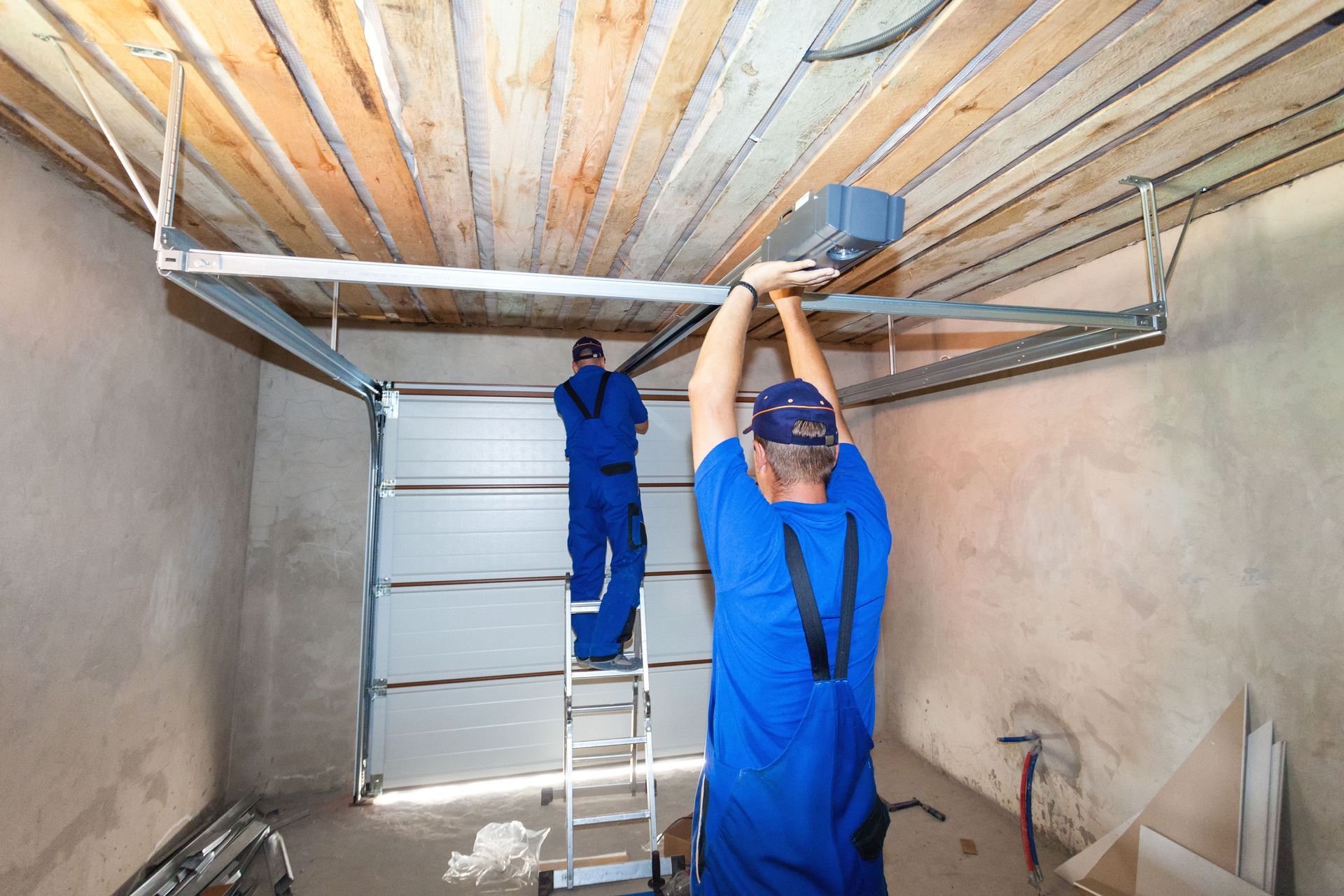
Homeowners should avoid adjusting high-tension springs or other hazardous components themselves. A trained technician can inspect the system, identify the source of the problem, and recommend an appropriate solution.
When several components are worn, and the door continues to operate poorly despite repairs, replacement may offer greater reliability. A properly sized door with compatible hardware and professional installation can support smoother operation and reduce ongoing disruption.
Assessing Outdated Safety and Security Features
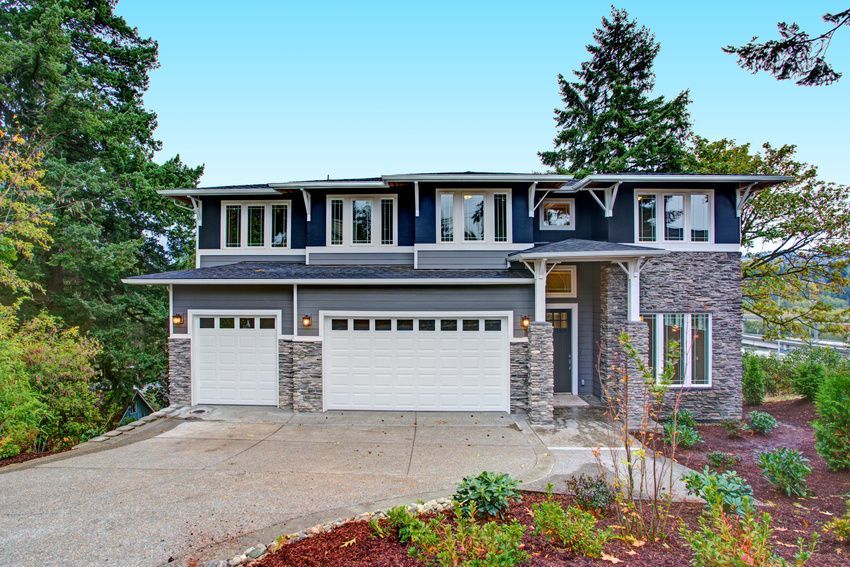
New garage doors improve curb appeal, insulation, and durability while complementing Idaho homes and addressing seasonal weather, style, and functional needs.
Security also deserves consideration. Garage doors often protect vehicles, tools, recreational equipment, and, in some homes, access to interior living spaces. Damaged panels, unreliable locking mechanisms, and outdated access controls may compromise the protection homeowners expect.
Available replacement features vary by model. Options may include updated locking hardware, compatible automatic openers, and technology that allows homeowners to monitor or control access. The best choices depend on household needs and compatibility with the complete door system.
New garage doors can combine updated safety features with dependable operation and a style that complements the property. Professional installation is important because correct alignment, compatible hardware, and proper setup all contribute to safe performance.
Comparing Repair Costs With Replacement Value
Choosing between repairing an existing door and purchasing a replacement requires looking beyond the immediate expense. A relatively inexpensive repair may make sense when the door is otherwise in good condition. When several major components are failing, repeated service costs can accumulate without addressing the system's age or overall condition.
Age is an important consideration, but it should not determine the decision alone. Maintenance history, structural integrity, operating performance, insulation, safety features, and replacement-part availability can all influence whether repairs remain practical. A professional evaluation can help homeowners compare the likely costs and benefits of each option.
Budget planning should also account for desired features. Material, insulation, window placement, decorative hardware, opener compatibility, and installation requirements can affect the total price. Comparing options according to performance and long-term suitability helps homeowners make informed decisions instead of focusing exclusively on the initial cost.
Replacing a garage door can enhance curb appeal, improve insulation, and complement exterior updates. Idaho homeowners should consider seasonal weather, material durability, garage usage, and architectural style when comparing new garage doors. Professional guidance helps evaluate dimensions, opener compatibility, finishes, and installation requirements, ensuring the selected door meets the home's practical needs, budget, and long-term performance goals.
Replacing an outdated door can improve function, appearance, and everyday convenience. Recognizing warning signs early and comparing suitable options allows homeowners to make a confident decision about their garage while considering both immediate needs and long-term value.
If your garage door shows signs of age, damage, or recurring mechanical problems, Western Wholesale The Garage Door Store can help you explore suitable replacement options. Visit to learn more and contact the team about choosing a door for your home.